
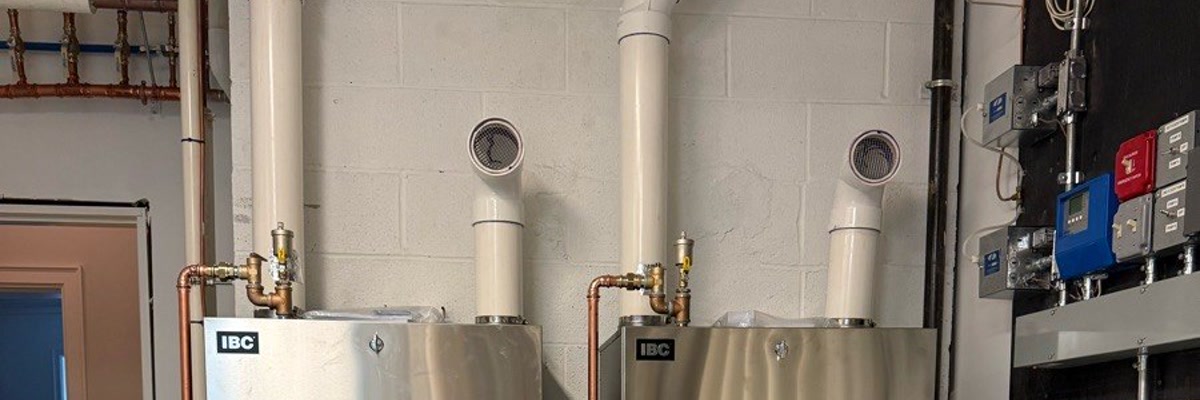
Boiler warning signs in Greenwich, CT homes should be taken seriously, especially during the heating season. A boiler may continue running while still showing signs that something is wrong, and small symptoms can turn into larger comfort, safety, or reliability issues.
Not every boiler problem means replacement. Many issues can be diagnosed and repaired when they are caught early. The key is knowing which signs deserve attention.
Boiler warning signs to watch for
- Water around the boiler, piping, relief valve, circulators, or expansion tank.
- Unusual banging, rumbling, whistling, or vibration.
- Rooms or zones that do not heat evenly.
- Pressure readings that are too high, too low, or changing unexpectedly.
- Frequent resets, lockouts, or short cycling.
- Rust, corrosion, staining, or signs of previous leaking.
- A noticeable increase in fuel use without a clear reason.
Why leaks and pressure issues matter
Leaks and pressure problems can point to failed components, expansion issues, air in the system, relief-valve concerns, or other conditions that should be checked before they cause damage. Even a small leak should not be ignored, especially near finished areas or equipment rooms.
Repair, maintenance, or replacement?
The right answer depends on the age of the boiler, parts availability, overall condition, safety, efficiency, and how often problems are occurring. Greenwich HVAC takes a practical approach: inspect the system, explain what is happening, and help the homeowner choose a repair, maintenance, or replacement path that makes sense.
Maintenance helps reduce surprises
Routine boiler maintenance can include safety-control checks, combustion checks, burner/flame-sensor cleaning where applicable, leak checks, wiring checks, and a review of the full heating cycle. A Preventative Maintenance Agreement can help make that care consistent from season to season.
Common boiler issues behind the symptoms
A boiler is part of a larger heating system. The visible boiler is only one piece; circulators, zone valves, expansion tanks, air separators, controls, thermostats, relief valves, piping, and indirect water heaters may all affect performance. That is why a boiler concern should be diagnosed as a system, not just as a single appliance.
For example, uneven heat may come from an air-bound zone, a failed circulator, a control issue, or a piping problem. Noise may be related to water pressure, air, mineral buildup, pump problems, or combustion conditions. A leak may be minor at first but still deserves attention because water and heating equipment are a bad combination.
When replacement starts to make more sense
A boiler repair may be the right answer when the equipment is generally sound and parts are available. Replacement becomes more worth discussing when the boiler is older, inefficient, unsafe, leaking, repeatedly breaking down, or difficult to support because parts and technical support are limited. The decision should be practical, not fear-based.
Greenwich HVAC takes a repair-first approach when repair is reasonable. When replacement is the safer or more reliable long-term choice, the goal is to explain the options clearly so the homeowner can plan instead of making a rushed decision during a no-heat call.
Maintenance as a safety and reliability habit
- Confirm the boiler completes a normal heating cycle.
- Check for leaks, corrosion, and signs of overheating or staining.
- Review pumps, controls, wiring, and safety devices.
- Check combustion and burner operation where applicable.
- Look for small issues that could become heating-season emergencies.
Questions to ask before approving boiler work
Before approving boiler repair or replacement work, it is reasonable to ask what failed, why it matters, whether parts are readily available, and whether the repair is likely to solve the whole problem. A clear answer should explain the practical risk of doing nothing, the expected benefit of the repair, and whether other system components could still limit performance.
That type of conversation is especially important for older Greenwich heating systems. A boiler may be repairable, but the broader system may also have aging pumps, controls, expansion components, venting, or water-quality concerns. Good boiler service looks at the full system instead of treating every symptom as an isolated part failure.
The safest approach is to treat boiler symptoms as early information. A little noise, a small leak, or uneven heating may seem manageable at first, but those signs can help prevent emergency service, water damage, or a no-heat situation if they are checked before conditions get worse.
For Greenwich homes with finished basements, mechanical rooms, or older hydronic piping, early boiler attention is also about protecting the rest of the house. A planned service visit is easier to manage than a winter leak, repeated lockout, or heating interruption during severe weather.
Useful homeowner resources
- U.S. Department of Energy: Heating and Cooling
- EPA: Indoor Air Quality Information
- State of Connecticut License Lookup
Need HVAC help in Greenwich?
Call Greenwich HVAC at 203-531-7511 or contact us to schedule service or ask a question about your heating and cooling system. We help Greenwich homeowners with practical maintenance, repair, replacement, and troubleshooting guidance.