
The first cold snap in Greenwich, CT is when a lot of heating systems get their real test. Dust burns off, short cycles show up, and a furnace or boiler that seemed fine in September suddenly will not stay on after dinner.
That pattern is familiar every October. The heat smells for the first hour, one zone never catches up, or the system starts and stops every few minutes. Some symptoms clear on their own. Others mean a filter, sensor, circulator, or safety switch needs attention.
Why the first cold night is harder on Greenwich homes
Many houses here run a boiler or furnace for heat and a separate air conditioner or heat pump for cooling. The heating side can sit quiet for months, then go from idle to long run times in a single day. Additions, finished basements, attic air handlers, and older ductwork or hydronic loops amplify small problems.
Coastal humidity leaves dust and moisture on heat exchangers and burners over the summer. The first heat call burns some of it off, and that smell is usually temporary. What is not temporary is a dirty filter restricting airflow, a sticky condensate or low-water switch, or a flame sensor that never got cleaned. Those show up as short-cycling, lockouts, or rooms that will not hold temperature.
Safe checks before you call
These steps are worth doing first. They never include gas lines, oil burners, electrical panels, refrigerant, or opening a combustion chamber.
- Replace or clean the filter if the system uses one. A clogged filter is one of the most common reasons a furnace short-cycles or overheats.
- Set the thermostat to Heat, raise it a few degrees, and listen for a normal start. If nothing happens, set it back and stop.
- Confirm supply vents or radiators are open and not blocked by furniture, rugs, or storage.
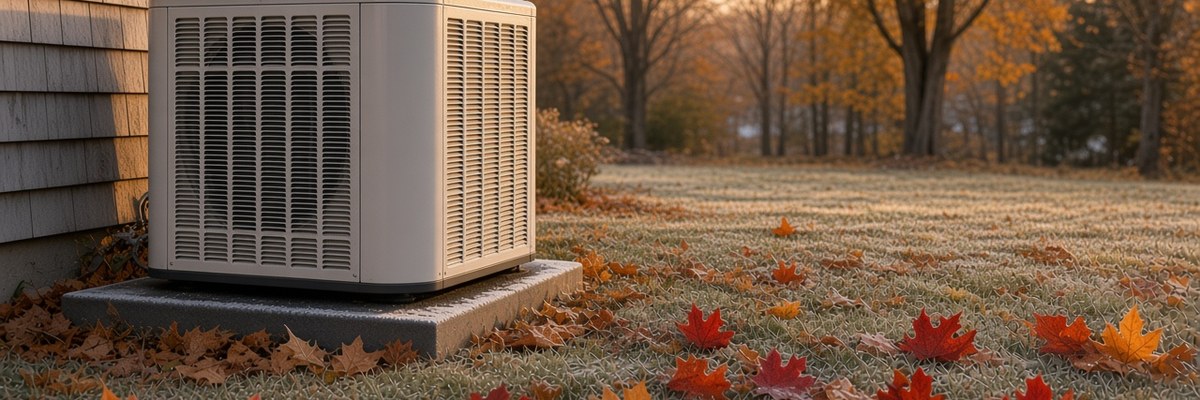
- Clear leaves and debris from the outdoor unit or intake area.
- For a boiler, look for water on the floor or a pressure reading far from the usual mark. If you see a leak, shut the system down and call.
Do not keep resetting a locked-out boiler or furnace. Do not ignore a carbon monoxide alarm. Do not assume a sharp electrical smell or smoke is “just dust.” Those are service calls.
What that first-heat smell usually means
A light dusty or slightly burnt smell on the very first heat call is often dust on the heat exchanger or heating elements. It commonly fades after the system runs with good airflow. Crack a window if you need to, and stop if the smell gets stronger instead of weaker.
Call right away if the smell is sharp or electrical, if you see smoke, if a breaker trips, or if anyone feels headachey. Gas odor is always an emergency: leave the house and follow your utility’s guidance before you worry about the thermostat.
Short-cycling and heat that will not stay on
Short-cycling means the system starts, runs briefly, and shuts down before the house reaches the setpoint. That wears equipment and leaves rooms uneven. On a furnace or air handler, common causes include a dirty filter, a blocked return, a failing limit switch, or a control issue. On a boiler, short cycles often point to circulation, zone valves, pressure, or a sensor that needs a technician’s eyes.
Heat that will not stay on is related. The system may lock out, or run constantly and never catch the thermostat. Uneven floors are common in older Greenwich houses, but a sudden change from last winter is worth a look.
When to call instead of waiting
Call if the system will not start, if it short-cycles through the evening, if one floor stays cold while another is fine, if you smell gas, if you hear banging, or if you see water around the boiler or air handler. A smell that does not fade, a breaker that keeps tripping, or a carbon monoxide alarm are not wait-until-morning problems.
Repair-first, and how a Preventative Maintenance Agreement helps
Most first-cold-snap calls are repair and maintenance work, not a reason to replace a system that is still serviceable. A cleaned sensor, a better filter habit, or a control adjustment often gets the heating side through the season.
A Preventative Maintenance Agreement, or PMA, keeps October from becoming a scramble. Heating and cooling both get scheduled visits, so the system is checked before the first hard cold snap instead of after it. It also builds a history on your equipment, which keeps the next repair-or-maintain conversation honest. A PMA is not a pitch to replace what still works.
Useful homeowner resources
The U.S. Department of Energy’s Energy Saver pages explain how furnaces and boilers use energy, and the EPA has practical indoor-air guidance for a closed-up winter house. If you hire anyone for heating work in Connecticut, verify the contractor on the state’s eLicense lookup rather than taking “licensed and insured” at face value.
Need help with heat that smells, short-cycles, or will not stay on?
If the first cold snap has your furnace or boiler acting up in Greenwich, Call or Text Greenwich HVAC at 203-531-7511 or reach us through our contact page. We help local homeowners with practical maintenance, repair, replacement, and troubleshooting. We are a licensed Connecticut HVAC contractor (HTG.0409031-S1) serving Greenwich and the surrounding neighborhoods.